
Nettles – the perfect permaculture plant!
Nettles – the perfect permaculture plant!
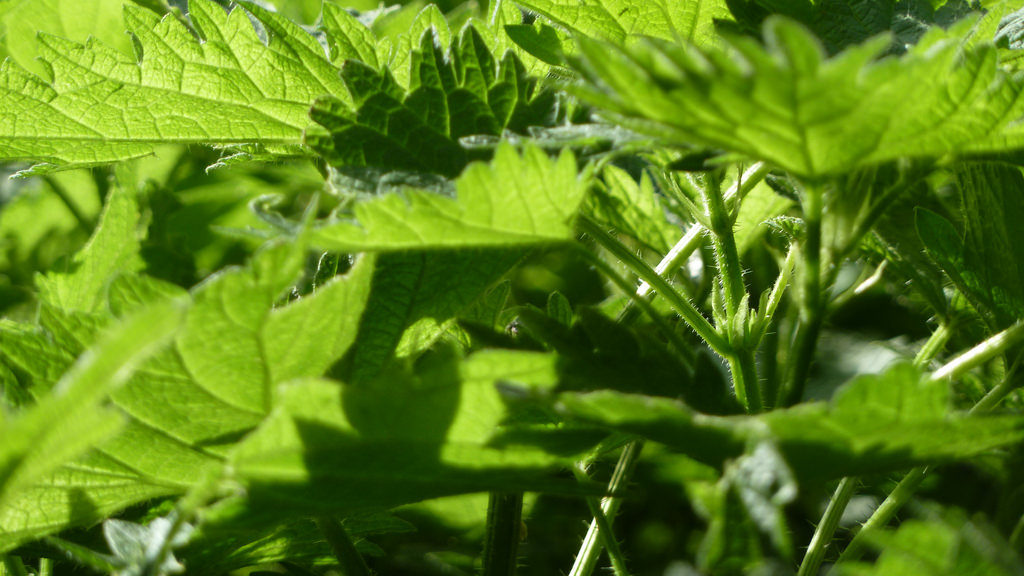
Nettles (Urtica dioica) are probably the best-known wild plant growing in the UK, mainly because of the unpleasant sting that we all learned to avoid as children! Many people dismiss the common nettle as a ‘weed’, going to great lengths to try to get rid of it from their gardens. Yet it is in fact one of the most useful and multifunctional plants I can think of. Nettles have a number of medicinal uses, including being astringent, diuretic and nutritive. They are a circulatory stimulant, promote milk flow, lower blood sugar and traditionally have been used to prevent scurvy. In the past, the coarse fibres of nettle stalks have been used for cloth making, and during the Second World War hundreds of tons were gathered in the UK as a dye for army uniforms. Nettle is an indicator of fertile soil, and is a ‘dynamic accumulator’ that takes up many minerals with its roots, including nitrogen (N), silicon (Si) and iron (Fe). Cut down, the foliage can then be either added to compost, or rotted down in rainwater to make a nutrient-rich liquid fertiliser.
Nettles are a wonderful wildlife habitat, in particular providing a home to a number of butterfly species whose caterpillars feed upon its leaves. Nettles are useful as a human food source too until around mid June, when they become rather too coarse to be palatable (although cutting them back after this will promote a flush of tender fresh growth). Use gloves to gather young nettles and wash them well. They have high iron content, and can be used as a spinach substitute, juiced or used in soups and stews, etc. They can also be used as the basis of a refreshing herbal tea, or made into nettle beer. Indeed, whole books have been written about the amazing number of uses and properties of the humble nettle. So whilst perhaps we wouldn’t want them to totally invade our productive food growing plots, why not view them as a resource rather than a problem and adopt a more tolerant approach to their presence in the ecologically-friendly garden, allowing them to grow in unmanaged areas or even small clumps between our fruit and vegetable beds? Nettles are of course also perfect for the low maintenance approach of Forest Gardening. They require minimum attention for a plethora of yields, with the added bonus that more often than not they don’t even require the effort of being planted!
Nettle Soup
A good carrier bag full of freshly collected nettles
A good handful of fresh spinach
1 large onion
2 large potatoes
1 pint of vegetable stock
Oil
Herbs to taste
Freshly ground black pepper
Wear gloves to wash and roughly chop the nettles and spinach. Chop onion and sauté together with the herbs until onion is soft. Add stock and simmer. Cut potatoes into small pieces and add to the soup along with more water. Continue to simmer until potatoes are soft, then put through a blender until smooth. Simmer for a little longer before serving with a little freshly ground pepper on top.
Nettle and Spinach Pesto
(This is a variation on the classic basil sauce that is stirred into freshly cooked pasta, but also goes well as a filling for baked jacket potatoes or even on toast!)
A good handful of 3 cornered leeks (leaves and bulbs)
A generous handful of wild garlic (or 2-3 cloves of garlic)
A handful of nettles (use gloves to protect your hands when you pick them!)
A handful of young spinach or chard leaves
A good handful of basil
A handful of shelled walnuts
Splash of olive oil
Gently wash the leaves, then finely chop all ingredients together, preferably in a blender.
Nettle Beer
A carrier bag full of freshly collected loose nettle leaves
2 lemons
453g (1 lb) Demerara sugar
28g (1 oz) cream of tartar
4.5 litres (1 gallon) water
Beer yeast
Boil the nettles in a large pan for 20 minutes or so. Strain the liquid onto the sugar and cream of tartar in a large sterile plastic bucket. When cooled to around 36oC add the juice of the lemons plus the yeast. Cover and leave to ferment for 3-4 days. Strain and bottle in strong bottles, e.g. with ‘Grolsch’ style stoppers, as this is pretty lively! Nettle beer is essentially a summer drink, and is very refreshing although it doesn’t keep well. It can have a rather murky appearance, but you’ll soon get used to that!
Lots more seasonal recipes from wild foods can be found in The Vegan Book of Permaculture by Graham Burnett – order your SIGNED copy today or buy it together with ‘Permaculture A Beginner’s Guide’ plus extra booklets for the special price of just £23!

