
A Different Way of Thinking About Community Activism – guest post from The Estuary Alternative

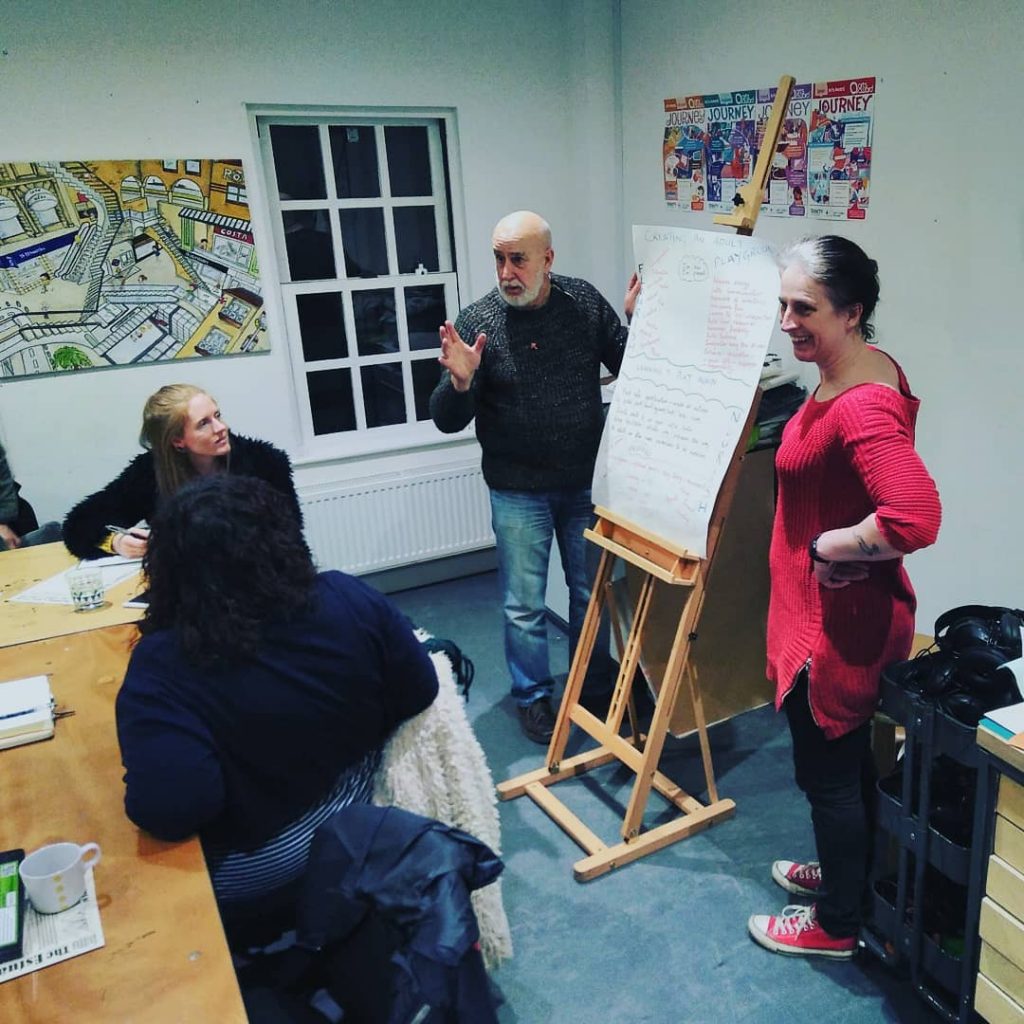
This week was the last part of our current Create A Positive Revolution In Southend course held at the METAL School in Chalkwell Park. As ever, this final session saw a wide range of highly diverse and creative projects and ideas for developing the local community presented by our participants. Below is a write-up from Dave and Liz from The Estuary Alternative. Sherry and Graham plan to run the course again in the autumn, and due to popular requests are also developing the format so that we can run it elsewhere as well – watch this space…
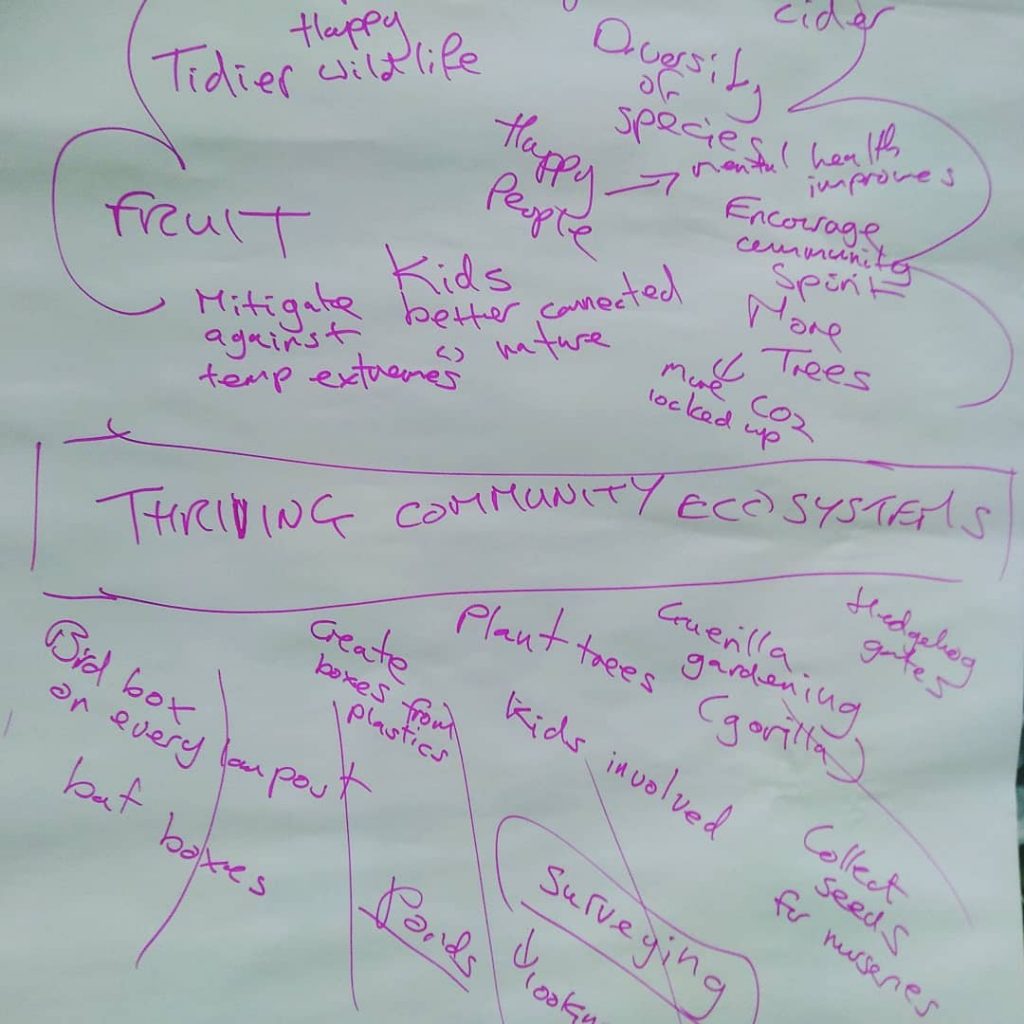
We’ve just completed a six week course facilitated by Graham Burnett and Sherry Fuller – Creating A Positive Revolution In Southend (CAPRIS). It was an incredibly useful course that made us question a lot of our assumptions about community organising. As community activists, it’s all too easy to get stuck in a rut of operating in a certain way and constantly wondering why your efforts aren’t making the impact you want them to make. For some activists it can be hard to have to question set patterns of working – we’re fortunate in that we welcome the opportunity to have our assumptions questioned and to start thinking about different ways to deal with the issues we encounter on the estates.

As part of our final presentation which was based around enhancing the work we’re already undertaking with the Vange Hill Community Group and Basildon & Southend Housing Action on an estate in Vange, we came up with the outcome tree shown above. It works in a very simple way. In red in the middle is the ultimate outcome we want to achieve. Above in blue are aspects of the vision we have for the estate. Below in green are the actions that need to be undertaken in order to realise that vision.
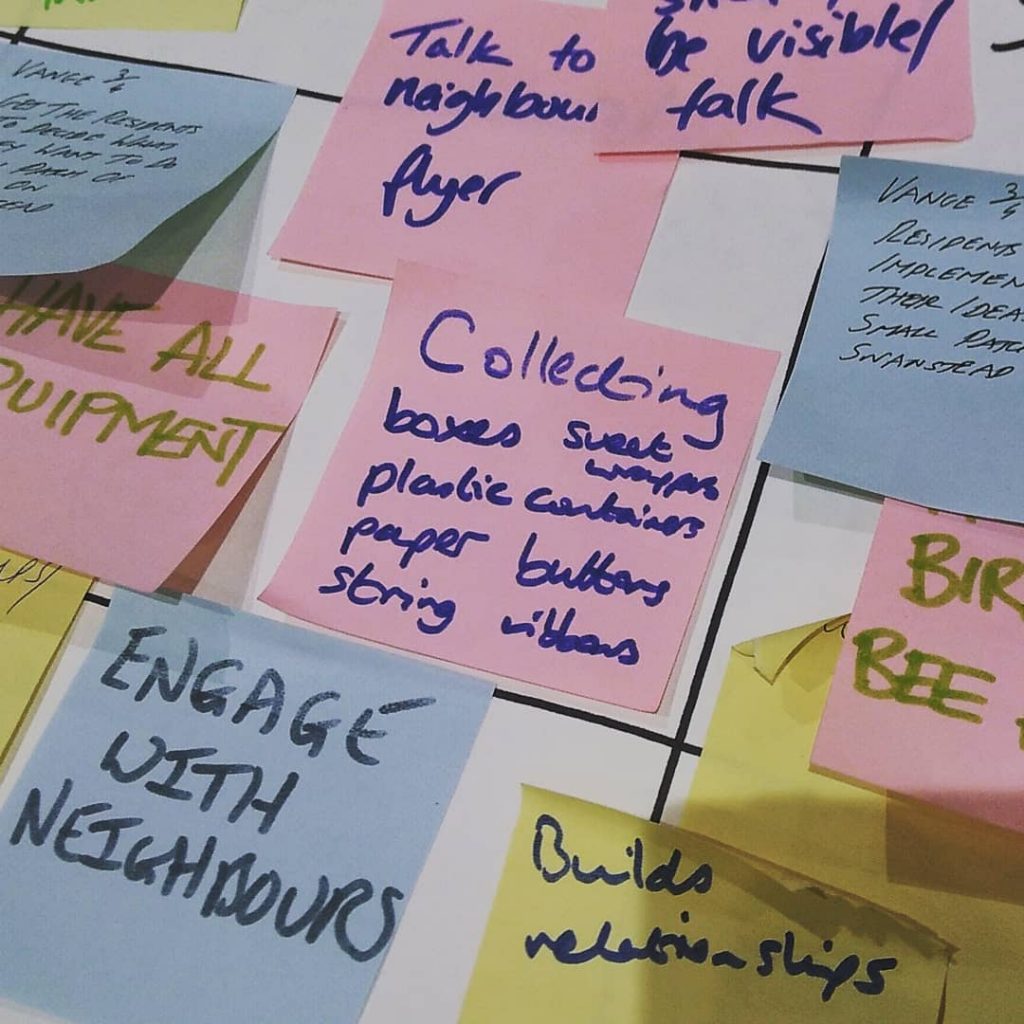
The outcome tree was just one tool we discussed on the course. There were others that were useful in making us think about how we work towards our desired outcome. One of these was a timeline that in our case stretched out to eight years. It starts off with one small undertaking which in our case will be encouraging residents to work on converting a patch of land recently cleared of flytipping and turn it into a pocket garden. As residents achieve more, learn more, become more confident and empowered, the vision for the development of the estate becomes more ambitious until the aim shown in the outcome tree above is realised.
This may seem like pie in the sky thinking but if you really want to change the world, you have to have a vision. Obviously, we’re well aware of the obstacles that lie in our way and we had a frank and useful discussion about those at the last session of CAPRIS. The point is that we want to move from a situation where we’re just fire fighting the whole time and dealing with the same issues over and over again to one where we’re moving forwards and making genuine progress. CAPRIS has hopefully given us the ideas and inspiration to achieve that.
This post originally appeared in The Estuary Alternative – reused with thanks!

